Loading form…


Syedna Aali Qadr Mufaddal Saifuddin TUS states (rendering) :
“Ply your trade and business according to the demands of this day and age. Gain excellence in business by acquiring business acumen through education.”
Barakat. Barakat. Barakat.
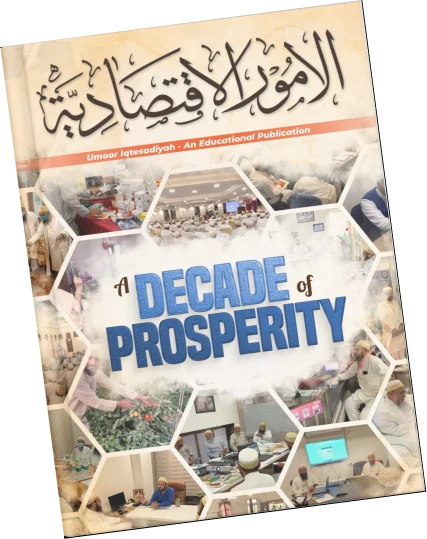
Mustafa bhai chokhawala shares how he transformed “Sams Ceramics” from a traditional family business into a system-driven, future-ready brand.
Get started
Don't wait for the perfect idea to strike. Our business idea generator helps you find opportunities that match your skills, interests, and local demand.
Use the idea generator
A job offers security, but entrepreneurship offers freedom
Turn your hobby into a source of income
Build something of your own, on your own terms
Leverage modern tools to bring your ideas to life
Growth is about learning from real experiences and turning challenges into opportunities. Hear from business leaders and success stories that show what's possible.
Get startedUse tools like the Business Maturity Index to understand your current position, and build skills with courses in digital marketing and business ethics.
Access the business maturity index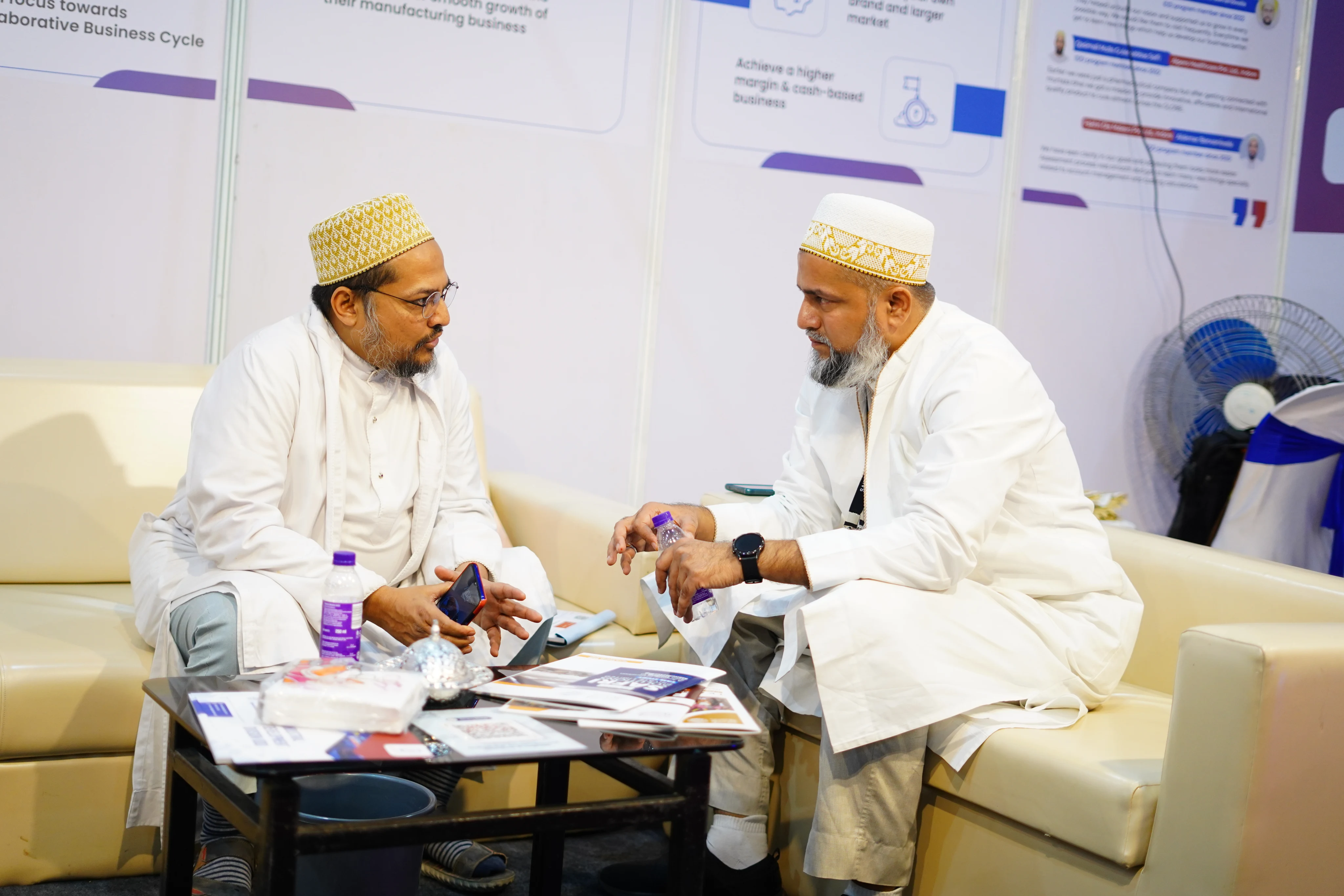
Data-driven growth unlocks your next level
Build systems that scale beyond you
Attract and retain top talent
Expand into new markets with confidence

DBohra™ is a trade portal for the Dawoodi Bohra community, facilitating global trade and business development. It connects businesses with manufacturers, wholesalers, and retailers.
Sign up on DBohraHear inspiring stories from industry leaders who transformed ideas into thriving industrial empires. Learn how they overcame challenges and created lasting impact.
Get startedSix compelling reasons to take the leap and build something lasting for yourself, your family, and your community.
It can provide a sense of personal fulfillment and satisfaction that comes from creating something of value
An industry can generate substantial profits, especially if it offers a unique product or service that is in high demand.
It can attract new businesses, encourage investment and boost local economy
By starting an industry, you can provide employment opportunities for individuals in your community
An industry can be a legacy that one can leave behind for future generations
It can attract new businesses, encourage investment and boost local economy
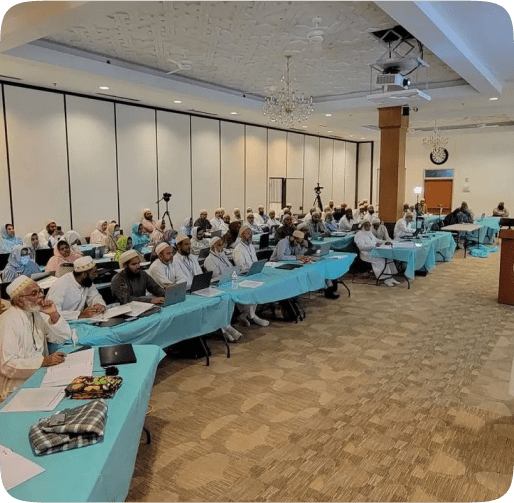
The key to becoming a successful industrialist
Are you looking forward to set up an industry?
Home industries are born when passion meets purpose. Hear real stories of individuals who started from their homes and built thriving ventures with limited space and strong intent.
Get started
From refining your product to setting up pricing, packaging, and promotion — building from home still needs systems. Explore how to structure your effort and avoid common pitfalls.
Learn to professionalize your passion
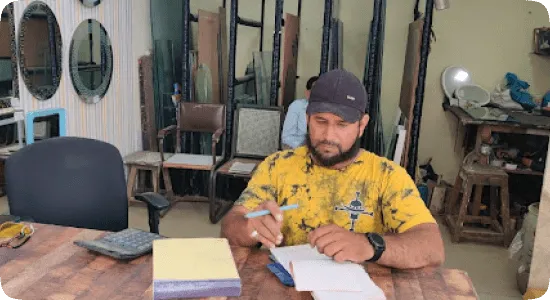
Learn business ethics, digital marketing, and customer service essentials through our curated programs. Pair that with book learnings like Build Don't Talk to sharpen your approach.
Access free coursesList your business on dbohra.com to reach new audiences. Join our community, access referrals, and get guidance from experts who understand the home-grown hustle.
Register your interest

An aid for the business upliftment
Founded in 1959 by The 51st al-Dai al-Mutlaq Syedna Taher SaifuddinRA on Lailatul Qadr, The Trust follows a rigorous and all-round approach to make sure the right kind of aid reaches the applicant in full effect.
665
Businesses Uplifted
20.43%
Average Growth
112
Mauze's Benefitted
62
Training Programs & Exhibitions Sponsored
Are you looking to be self-reliant and uplift your business & standard of living?
Apply for aidHow to Build Resilient Businesses That Thrive Through Change
Read articleFrom Product Seller to Solutions Provider
Read articleDepth Over Breadth: Why Specialists Win in a Distracted Market
Read articleKey Lessons on Combining Ideas
Read articleBefore They See You, They Trust You
Read articleThe Science of Brand Recall: How to Stay Top of Mind
Read articleDepth Over Breadth: Why Specialists Win in a Distracted Market
Read articleThe Quiet Decline: What Inertia Costs a Business Over Time
Read articleLean Expansion: Why Smart Businesses Grow Without Owning Everything
Read article